
- All
- Product Name
- Product Keyword
- Product Model
- Product Summary
- Product Description
- Multi Field Search
Please Choose Your Language
Views: 0 Author: Site Editor Publish Time: 2026-10-06 Origin: Site


Aeration drives the heart of modern aquaculture. It accounts for up to 70% of a facility’s energy consumption. Equipment failure often leads to rapid stock mortality. You face high stakes when managing these delicate ecosystems. Selecting the wrong equipment creates severe problems. It results in inadequate dissolved oxygen (DO) levels and excessive energy bills. You might also see premature wear due to mismatched operating pressures. We designed this guide to help you navigate these daily challenges. You will learn how to evaluate and size the right equipment for your ponds. We provide a verifiable, evidence-based framework for facility managers and aquaculture engineers. This article covers specific pond geometries, aeration diffusers, and stocking densities. You will discover how to make the best engineering choices for your site. Proper sizing prevents catastrophic losses and ensures healthy yields.
Match pressure to depth: Blower pressure must overcome both static water depth and piping friction losses; a mismatch leads to motor burnout or dead zones.
Calculate actual CFM/CMH needs: High-density shrimp farming requires vastly different airflow volumes compared to standard tilapia or carp ponds.
Prioritize TCO over upfront cost: Energy efficiency (often via VFD integration) dictates 80% of the blower's lifetime financial impact.
Account for environmental realities: Coastal environments require specific anti-corrosion materials and filtration to prevent premature degradation.
Aquaculture relies on three primary blower technologies. You must understand their specific mechanical advantages to make the right choice. Roots blowers use positive displacement mechanics. They push a constant volume of air regardless of backpressure. This design makes them ideal for extremely deep silos and tanks. Regenerative blowers move small air volumes at low pressures. They suit shallow, low-density nursery setups perfectly.
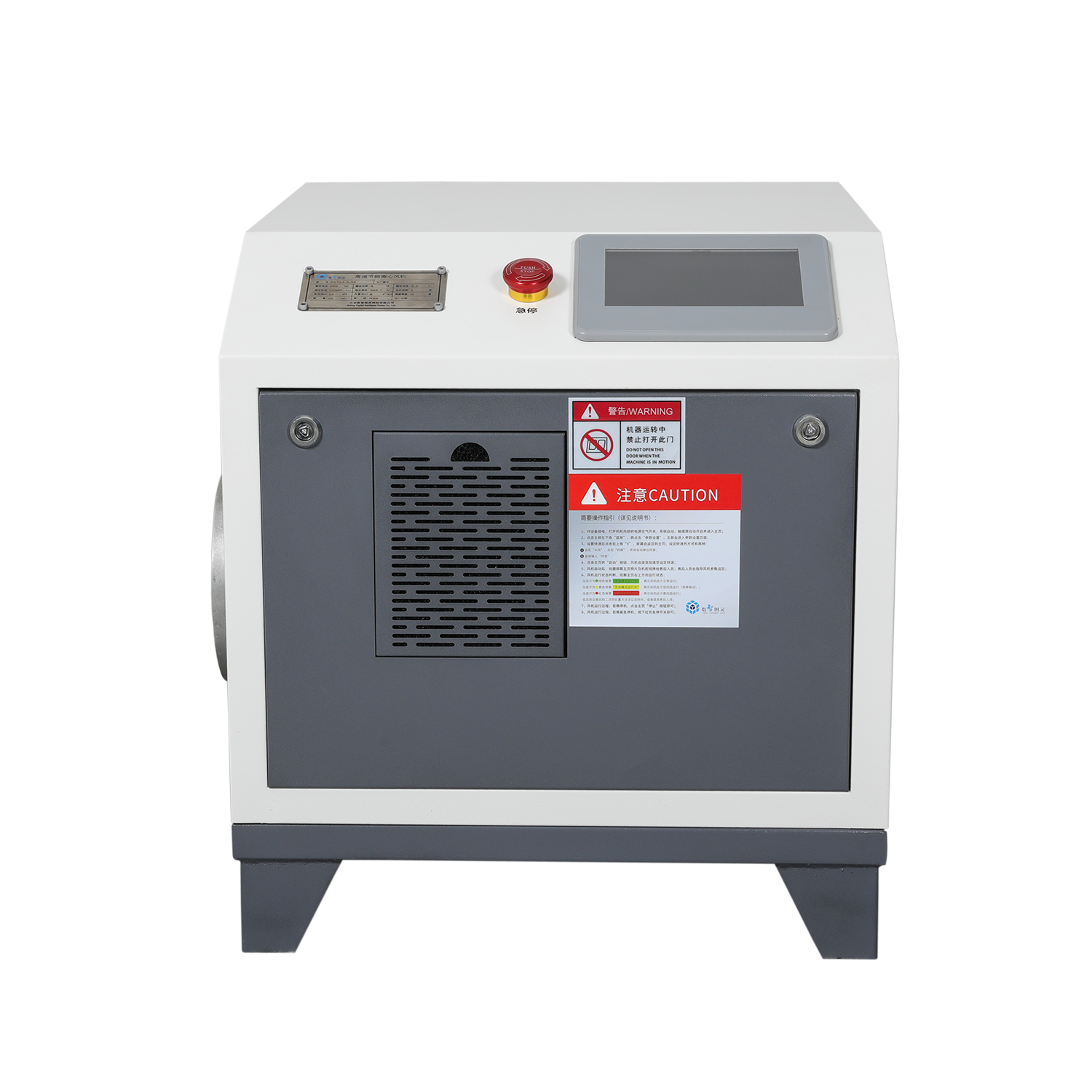
Where does a Centrifugal Aquaculture Blower fit into this ecosystem? It dominates large-scale commercial operations. Centrifugal units generate massive airflow at moderate, continuous pressures. They operate with incredible efficiency in these specific ranges. They excel when serving multiple large ponds from a centralized aeration hub.
High-density shrimp farming presents unique aeration challenges. Intensive stocking densities rapidly deplete dissolved oxygen. Shrimp live near the pond floor. They require constant water movement to sweep away toxic ammonia gases. A high pressure aeration blower pushes vast amounts of air through extensive piping networks. It maintains the heavy turbulence necessary for these dense populations.
However, you must recognize centrifugal limitations. Do not use centrifugal models if your water depth fluctuates wildly. Their aerodynamic performance relies on a steady static head. Constant pressure and variable flow characteristics can cause stalling during severe depth changes. They might surge if backpressure drops suddenly. Choose positive displacement models if you regularly drain and fill tanks while aerating.
You cannot guess blower sizes based on farm acreage alone. Decision-making requires strict engineering logic and precise math.
Pond depth directly dictates your required discharge pressure. You can calculate this using a simple hydro-static formula. One meter of water depth equals roughly 10 kPa or 1.45 psi. A two-meter pond requires at least 20 kPa just to push air out of the diffusers.
You must factor in dynamic safety margins. Diffusers clog over time due to mineral scaling and bio-fouling. Pipes create internal wall friction. Add at least 15% to 20% to your static head calculation. This extra margin prevents motor strain. It ensures air keeps flowing even as membranes age and pipes accumulate biofilm.
Airflow heavily depends on Oxygen Transfer Efficiency (OTE). Fine bubble diffusers offer higher OTE than coarse bubble grids. Different farmed species demand different physical setups. A fish farm aeration blower typically serves deeper tanks. Deeper water naturally increases OTE by extending the bubble contact time.
Conversely, a shrimp farm aeration blower operates in shallower, wider earthen ponds. Shrimp require higher bottom-oxygen concentrations. You must calculate the biological oxygen demand (BOD) accurately. Calculate your specific CFM or CMH needs based on peak feeding times. Uneaten feed and bodily waste spike the BOD drastically. High water temperatures also accelerate biological demand.
Environmental factors alter air density significantly. Site elevation and high summer temperatures reduce actual air density. A blower rated for sea level at 20°C performs much worse at 1500 meters at 35°C. Thin air contains less oxygen per cubic meter.
You must derate the stated capacity of the equipment based on location. Check the manufacturer's derating charts carefully. Failure to derate leaves your ponds gasping for air during July heatwaves. Always size the equipment for the worst-case summer scenario.
Aquaculture Aeration Sizing Parameters Matrix
| Blower Technology | Ideal Water Depth | Airflow Volume Capacity | Best Application Environment |
|---|---|---|---|
| Regenerative Blower | Less than 1.2 meters | Low to Medium | Small shallow tanks, nurseries, hatcheries |
| Centrifugal Blower | 1.0 to 3.5 meters | Very High | Large commercial ponds, high-density shrimp farms |
| Roots Blower (PD) | Greater than 3.5 meters | Medium to High | Deep silos, bio-floc systems with changing depths |
Energy waste destroys facility profitability. You must focus on long-term operational efficiency.
You must match air delivery to actual oxygen demand. Diurnal oxygen demand changes drastically in outdoor ponds. Algae photosynthesis provides abundant natural oxygen during sunny days. However, biological demand peaks dangerously right before dawn when photosynthesis stops.
Integrating Variable Frequency Drives (VFDs) solves this timing issue. VFDs modulate the electric motor speed smoothly. They prevent over-aeration during sunny afternoons. They ramp up power automatically during the night. Modulating speed cuts energy waste dramatically. Running a blower at 80% speed uses roughly 50% of the nominal electrical power. This creates massive financial savings over a five-year lifecycle.
Maintenance schedules dictate long-term reliability. Belt-driven blowers require frequent tensioning and belt replacements. Direct-drive centrifugal units eliminate these drive belts completely. They reduce mechanical friction and lower maintenance burdens. Standard bearings need regular monitoring and scheduled greasing.
You should plan for routine intake filter replacements. Implement vibration monitoring sensors on large units. They detect bearing wear before catastrophic failure occurs. These proactive steps keep operations running smoothly and prevent unexpected downtime.
Even perfectly sized equipment fails if installed poorly. You must address common rollout failures before they happen.
Coastal shrimp farms face incredibly harsh environments. Salt-laden marine air destroys unprotected metals within months. You must specify aggressive anti-corrosion requirements during procurement. Request marine-grade coatings like baked epoxy or anodized aluminum for the outer casing. Demand stainless steel impellers for internal durability.
Heavy-duty intake filters stop corrosive salt particles from entering the compression chamber. Elevate the air intake above ground-level dust. These specific engineering choices extend equipment life significantly in tropical coastal zones.
Large industrial blowers generate substantial noise. Many units exceed 85 decibels during full-load operation. Worker safety requires strict acoustic management. Local communities might also complain about constant noise pollution if farms sit near residential zones.
You must plan for acoustic enclosures. Specify proper intake and discharge silencers. These components keep noise within safe regulatory limits. They protect your staff from long-term hearing damage. Ensure any acoustic enclosure features adequate forced ventilation to prevent motor overheating.
Piping choices frequently ruin good blower systems. Never use undersized PVC pipes. Small pipes create severe artificial backpressure. This hidden backpressure overheats the blower rapidly. It often voids the manufacturer warranty immediately. Follow these standard engineering guidelines for pipe sizing:
Size main air headers to handle maximum peak airflow during summer operations.
Use sweeping elbows instead of sharp 90-degree bends to reduce internal friction.
Install robust check valves to prevent water backflow during sudden power outages.
Include pressure gauges near the blower discharge for easy daily monitoring.
Keep internal air velocity below 15 meters per second to minimize heat generation.
Procurement teams must ask hard questions before finalizing any purchase.
You need reliable local support. A 24-hour DO drop is catastrophic for intensive farming. Waiting three weeks for proprietary replacement bearings is completely unacceptable. Evaluate the manufacturer's local footprint. Ensure they stock critical wear items nearby. Ask for references from other local aquaculture facilities to verify their response times.
Never trust theoretical performance curves. Demand factory performance tests conducted under standard conditions. ISO 1217 serves as the global benchmark for blower testing. Make sure your vendor provides certified test data. You need proof that the blower delivers the promised CFM at your specific operating pressure. We consider an aquaculture blower reliable only when it passes rigorous physical testing.
Always read the warranty fine print carefully. Look for operating environment exclusions. Some warranties void immediately if you run continuous duty cycles without VFDs. Others require strict, documented maintenance logs. Coastal installations often carry separate warranty clauses due to salt air exposure. Protect your investment by understanding these terms upfront.
Choosing a centrifugal unit is a strict engineering calculation balancing airflow, pressure, and long-term energy consumption.
Conservative sizing protects your farm; always account for piping friction and high-temperature air density loss.
Never base critical infrastructure decisions solely on theoretical vendor charts without certified ISO testing.
Proper material selection, such as stainless steel impellers, prevents catastrophic failure in coastal environments.
Next-Step Action: Consult with an aeration engineer using your specific pond dimensions and bio-load data before requesting vendor quotes.
A: You must evaluate total water volume and stocking density (kg/m³). Factor in the specific oxygen demand of your farmed species. Measure the maximum water depth to determine required discharge pressure. Combine these variables to calculate the exact CFM required to maintain optimal DO levels during peak summer feeding times.
A: Yes, up to a certain point. Centrifugal models work perfectly for depths up to roughly 3.5 meters. Beyond typical centrifugal pressure ratings (e.g., 8-10+ meters), positive displacement (Roots) blowers become much more efficient. They handle high static heads without losing their internal airflow volume.
A: Shrimp require consistent bottom oxygen. However, overall demand fluctuates based on feeding times and algae photosynthesis. VFDs allow precise airflow adjustment. They match blower output to actual biological demand without using energy-wasting blow-off valves. This modern approach saves massive amounts of electricity.
A: With proper marine coatings, heavy-duty intake filtration, and strict preventative maintenance, expect 7 to 10+ years of reliable service. You will still need routine replacement of consumable parts. Regularly swap out air filters and monitor internal bearings to ensure maximum longevity in salt-heavy environments.


