
- All
- Product Name
- Product Keyword
- Product Model
- Product Summary
- Product Description
- Multi Field Search
Please Choose Your Language
Views: 0 Author: Site Editor Publish Time: 2026-10-13 Origin: Site


Commercial aquaculture profitability hinges on maintaining precise oxygen levels while controlling skyrocketing energy costs. In many facilities, these energy demands account for over half of total operational overhead. Modern farmers face tight margins and harsh environmental regulations. You simply cannot afford to rely on outdated aeration methods.
Traditional surface aerators, like paddlewheels, rapidly lose effectiveness at scale. They fail to destratify deep ponds efficiently. Instead, they waste massive amounts of power on surface splashing rather than actual gas transfer. As stocking densities increase, this mechanical limitation creates hazardous conditions for aquatic life.
You need a smarter approach to sustain high-density yields. Transitioning to a subsurface Aquaculture Blower system fundamentally shifts the mechanics of oxygen delivery. Moving air through water is scientifically proven to be more effective than moving water through air. In this guide, we explore how these systems deliver higher Standard Aeration Efficiency (SAE), verifiably improve Feed Conversion Ratios (FCR), and help you select the exact technology to scale your farm.
Aquaculture blowers inject compressed air through bottom diffusers, creating micro-bubbles that exponentially increase oxygen transfer rates compared to surface splashing.
Upgrading to a tailored pond aeration blower reduces energy consumption by shifting the workload from moving heavy water to moving light air.
Choosing between roots, regenerative, and centrifugal aeration blowers depends on water depth (pressure requirements) and facility scale.
Proper sizing prevents the most common implementation failures: wasted CAPEX from oversizing or hazardous anoxic zones from undersizing.
High-density stocking environments demand robust life support systems. Traditional surface aerators push water horizontally across the top layer. They rarely penetrate deeper water columns. As production scales up, this surface agitation cannot meet rising biological demands. Fish near the pond floor suffer from poor water quality. You soon experience stunted growth cycles and sudden spikes in mortality rates.
Optimal dissolved oxygen levels usually sit above 4-5 mg/L, depending on your target species. When concentrations drop below this threshold, fish experience immediate physiological stress. Their natural defense mechanisms weaken. Maintaining stable oxygen parameters directly mitigates catastrophic disease outbreaks. It also serves as the primary driver for optimizing your Feed Conversion Ratio (FCR).
A better FCR means aquatic species convert costly feed into body mass more efficiently. When oxygen remains plentiful, fish dedicate their metabolic energy to growth. Conversely, hypoxic environments force fish to expend energy simply to breathe. For example, if a shrimp pond drops below 3 mg/L overnight, feeding activity halts. The next morning, expensive uneaten feed decays at the pond bottom. This decay consumes even more oxygen, triggering a dangerous biological downward spiral. Proper subsurface aeration prevents this cycle entirely.
Understanding oxygen absorption requires a brief look at gas transfer physics. Surface aerators throw heavy water into the air, hoping it catches oxygen on the way down. Subsurface blowers reverse this logic. They pump compressed air to the bottom of the pond and release it upward. This upward movement leverages the natural pressure of the water column to force oxygen into the liquid.
The secret to maximizing absorption lies in bubble size. Blower-fed diffusers generate millions of tiny micro-bubbles rather than large, turbulent splashes. Smaller bubbles possess a vastly higher surface-area-to-volume ratio. They also rise to the surface much slower than large bubbles. This extended contact time allows maximum oxygen transfer before the bubble bursts at the surface.
Deep water naturally separates into distinct temperature layers. This stratification traps cold, oxygen-depleted water at the bottom. Toxic gases like ammonia and hydrogen sulfide quickly accumulate in this dark zone. Implementing strategic aquaculture aeration creates a continuous vertical current. The rising column of micro-bubbles pulls bottom water upward, mixing the entire pond.
Consider these core mechanical benefits of continuous bottom-up airflow:
It completely eliminates toxic thermoclines.
It distributes oxygen evenly across all depths.
It constantly sweeps the pond floor, preventing anaerobic bacteria from establishing toxic pockets.
It stabilizes daily temperature fluctuations, reducing environmental shock.
Moving water requires immense mechanical force. Water is heavy and dense. Air is exceptionally light. Compressing air and pushing it through PVC pipes uses a fraction of the electricity required to spin heavy metal paddlewheels through sludge. By shifting the mechanical workload from water manipulation to air compression, commercial facilities see immediate drops in daily kilowatt usage.
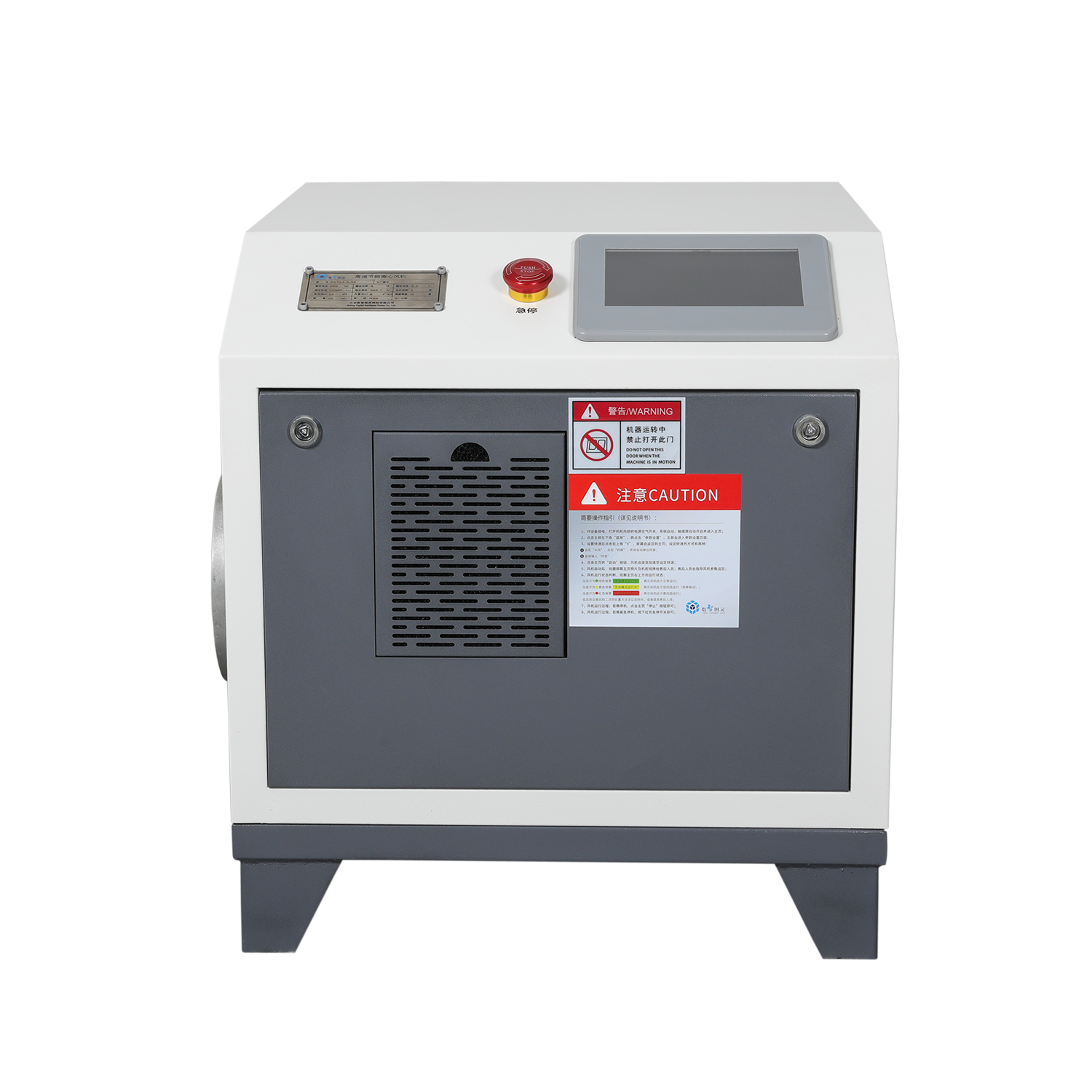
Choosing the correct equipment defines your operational success. No single machine fits every farm. You must match the technology to your specific water depth and total oxygen demand.
Regenerative blowers use an impeller spinning within a housing to create a vortex of air. They are incredibly compact and easy to install. These units deliver 100% oil-free air, ensuring zero risk of hydrocarbon contamination in your tanks.
Best for: Shallow tanks, indoor hatcheries, and nurseries typically under 1.5 meters deep.
Pros: Very low initial capital expenditure (CAPEX) and virtually zero maintenance.
Cons: Limited pressure capacity. They stall out if pushed into deep water applications.
Roots blowers use dual figure-eight lobes rotating in opposite directions to trap and push air forward. They act as positive displacement machines. This means they deliver a constant volume of air regardless of water depth changes.
Best for: Mid-to-deep commercial grow-out ponds ranging from 1.5 to over 3 meters deep.
Pros: Exceptional durability and consistent airflow against varying hydrostatic pressures.
Cons: They require regular oil changes, belt tensioning, and robust soundproofing enclosures due to high operating noise.
A modern centrifugal aeration blower spins an impeller at incredibly high speeds to generate massive airflow. These machines represent the pinnacle of large-scale aeration technology, often featuring magnetic bearings and variable speed drives.
Best for: Massive industrial-scale farms and high-density Recirculating Aquaculture Systems (RAS).
Pros: Unmatched energy efficiency at scale. They allow precise RPM control to match daily biological demands.
Cons: Higher initial investment and a more complex installation process requiring specialized technicians.
| Technology Type | Ideal Depth Range | Primary Application | Maintenance Level |
|---|---|---|---|
| Regenerative (Ring) | 0 - 1.5 meters | Hatcheries, Nurseries, Transport | Low (Air filter cleaning) |
| Rotary Lobe (Roots) | 1.5 - 3.5 meters | Grow-out Ponds, Earthen Basins | Medium (Oil, belts, filters) |
| Centrifugal (Turbo) | 2.0 - 5.0+ meters | Large RAS, Industrial Mega-farms | Low to Medium (Electronics, filters) |
Evaluating vendor claims requires strict reliance on standardized engineering metrics. Before purchasing a pond aeration blower, you must understand exactly how it performs under real-world water pressure.
SAE measures the pounds of oxygen successfully transferred into the water per horsepower hour (lbs O2/hp-hr). It serves as the ultimate benchmark for equipment efficiency. Always reject equipment proposals lacking verifiable SAE data conducted under standard ASCE (American Society of Civil Engineers) conditions. Without this metric, you cannot accurately predict your monthly power bill.
You must balance volumetric flow rate against system pressure. Cubic Feet per Minute (CFM) represents the sheer volume of air delivered. This number must match your farm's biological oxygen demand. Pounds per Square Inch (PSI) represents the pressure required to overcome your static head. Static head equals your actual water depth plus the friction loss generated inside your piping network. If you buy high CFM but lack adequate PSI, the air will never reach the bottom diffusers.
A Variable Frequency Drive (VFD) fundamentally changes operational efficiency. Algae naturally produce oxygen during peak daylight hours through photosynthesis. Running blowers at full speed during this window wastes electricity. VFD compatibility allows you to dial down the motor RPMs automatically during the day and ramp them up at night. This precise control slashes wasted energy.
Ignoring local environmental tolerance (e.g., buying non-corrosion-resistant housings for saline farms).
Failing to check IP (Ingress Protection) ratings for outdoor, rain-exposed installations.
Overlooking the manufacturer's expected Mean Time Between Failures (MTBF) data.
Buying based strictly on horsepower rather than actual oxygen transfer rates.
Purchasing top-tier equipment solves only half the puzzle. Poor installation practices can cripple even the most advanced machines. You must plan your physical rollout carefully.
Many farm managers buy a massive blower "just in case" they expand later. This approach creates immediate mechanical nightmares. Oversized blowers push more air than the diffusers can release. This mismatch causes backpressure to spike. The blower experiences dangerous aerodynamic surging, burns excessive energy, and eventually suffers premature motor failure. Always size the machine tightly to your current manifold capacity.
Air travels similar to water; it hates friction. If you pair an industrial blower with undersized PVC piping, you create a massive bottleneck. The motor works twice as hard just to push air through the narrow pipes, destroying your expected energy savings. Furthermore, easily clogged diffusers add severe backpressure to the system. Invest in high-quality, self-cleaning membrane diffusers and oversize your main air headers to ensure smooth airflow.
Machines break. Power grids fail. If a primary unit goes down in a high-density environment, you have less than 30 minutes before fish begin suffocating. N+1 redundancy is strictly non-negotiable. This means having an additional backup unit permanently plumbed into your main manifold, ready to activate instantly. Never rely on temporary backup units sitting in a warehouse during an active mechanical failure.
Transitioning to subsurface aeration fundamentally protects your livestock while optimizing your operational budget. By embracing modern air compression technology, you eliminate toxic stratification and directly improve your feed conversions.
Base your decision on data: Select your blower technology based on precise water depths, verifiable total oxygen demand, and localized electricity costs, avoiding generic marketing promises.
Prioritize system synergy: Ensure your piping networks and bottom diffusers can handle the exact CFM and PSI output of your chosen equipment.
Embrace smart controls: Utilize VFD technology to match aeration output with natural diurnal oxygen cycles.
Next-Step Action: Before committing to a facility-wide retrofit, conduct an oxygen demand audit. Run a pilot test on a single pond to measure true SAE and track verifiable improvements in fish health and energy usage.
A: The primary difference lies in volume versus pressure. Blowers generate a high volume of air at very low pressure, making them perfectly suited for typical pond depths. Standard air compressors produce a low volume of air at extremely high pressure. Compressors are highly inefficient for water aeration and will waste massive amounts of electricity.
A: Depth capacity depends entirely on the technology. Regenerative blowers comfortably handle depths of 1 to 2 meters. Roots blowers and high-speed centrifugal units can easily push air to depths of 3 to 5 meters or more, provided the motor and gearing are specifically configured for that high static head.
A: Maintenance needs are generally low but require strict adherence to schedules. You should inspect and clean intake air filters monthly. Clean intake air remains the biggest factor in preventing impeller damage. Bearing inspections and internal electronic checks should occur annually, following the manufacturer's specific guidelines.
A: Often, yes. A properly sized bottom-diffused system handles all required oxygen transfer and destratification. However, some extremely high-density farms maintain a hybrid approach. They rely on blowers for primary life support while keeping a few paddlewheels active solely to create emergency directional water flow and sweep sludge toward central drains.


